
America Built the F-35. Who Controls Its Materials?


America Built the F-35. Who Controls Its Materials?
By Jessica Smith
America can design one of the world’s most advanced fighter aircraft.
It can build the engine, write the software, train the pilot and place the aircraft anywhere in the world.
But it is still rebuilding control over the materials required to manufacture and sustain it.
That is the contradiction hidden inside American military power.
A Powerful Weapon With a Vulnerable Beginning
The F-35 represents advanced engineering, military technology and enormous national investment.
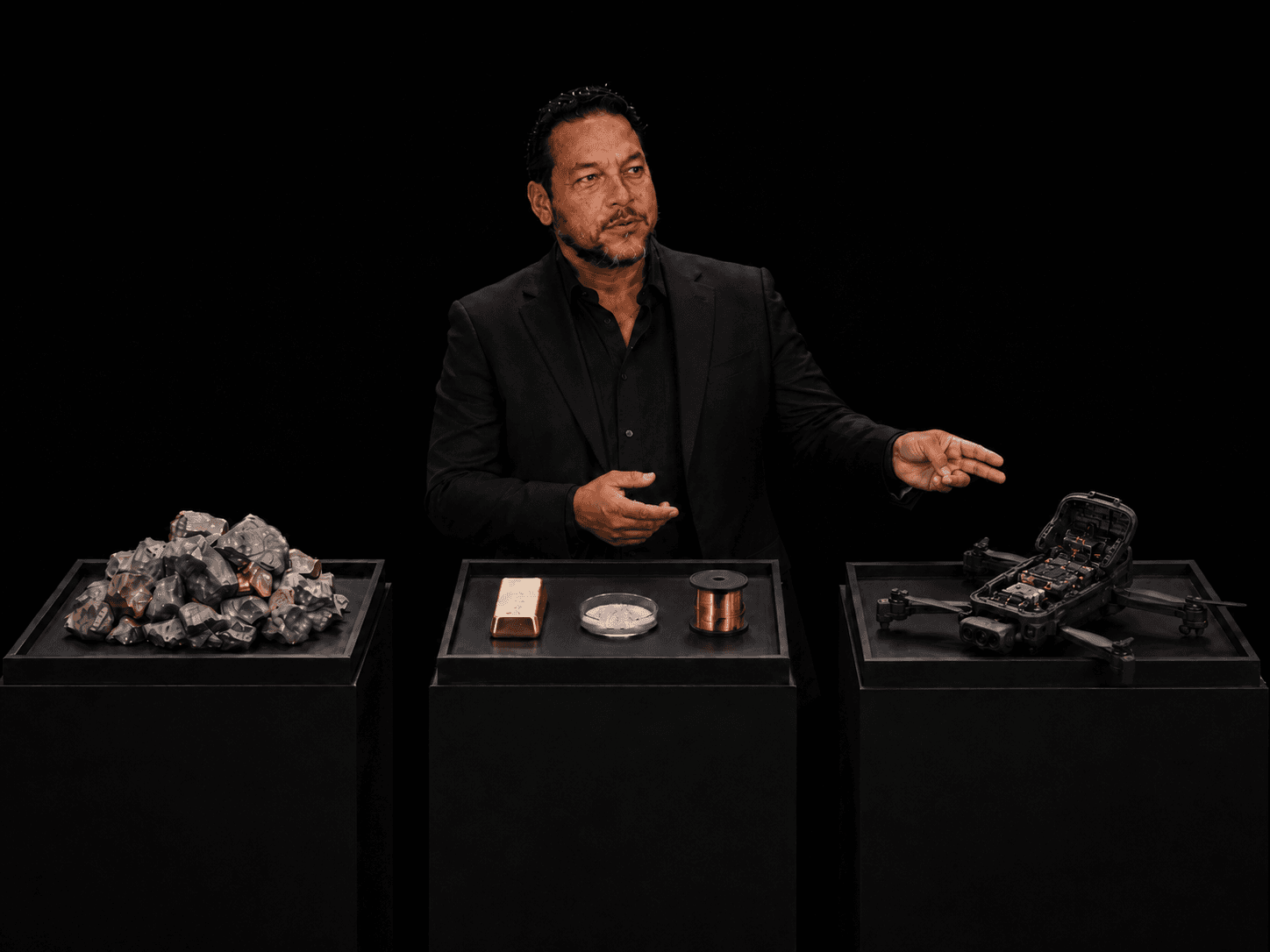
But before it becomes an aircraft, it is a collection of materials.
Rare-earth elements support permanent magnets, electronic systems, radar, motors and other high-performance components. The U.S. Department of Defense says rare-earth magnets are essential to the F-35, submarines, drones, missiles and other weapons systems. It also reports that one F-35 requires more than 900 pounds of rare-earth elements.
The aircraft may be assembled in America.
But parts of the supply chain behind those materials have historically depended on foreign processing and manufacturing.
So the real question is not only:
Can America build the weapon?
It is:
Can America independently secure, process and replace everything required to keep building it?
Military Strength Begins Before the Battlefield
Most people think national defense begins with soldiers, ships, aircraft and missiles.
It begins much earlier.
It begins with mines.
It continues through separation, refining, alloy production, magnet manufacturing and advanced component production.
Without those steps, the finished weapon cannot exist.
A country can possess the design, technology and military budget—and still remain exposed if another country controls a critical stage of the material supply chain.
That is why the Department of Defense has been investing in a domestic mine-to-magnet system. Its stated goal has been to establish a sustainable supply chain capable of supporting U.S. defense requirements.
The Government Is Now Admitting the Risk
In July 2026, the White House directed that critical materials and components needed to manufacture, maintain and repair military equipment should come from the United States or allied nations.
The order also acknowledged that defense contractors had historically under-prioritized domestic production and supply-chain resilience.
That is a major admission.
The strongest military in the world understands that advanced weapons are not enough.
It must also control—or reliably share with allies—the physical foundation beneath those weapons.
A fighter jet cannot fly on software alone.
A submarine cannot operate on strategy alone.
A missile cannot be manufactured from political speeches.
Military power is material power.
This Is Bigger Than the F-35
The same problem affects radar systems, communications, naval vessels, drones, precision weapons and the electrical infrastructure supporting modern warfare.
It also affects civilian life.
Many of the same materials are used in vehicles, phones, power systems, medical equipment, data centers and advanced manufacturing.
That means the competition for critical minerals is not simply a mining issue.
It is about:
national security;
manufacturing jobs;
technological leadership;
industrial independence;
control over the next economy.
The YVIRIS Position
YVIRIS believes national security begins long before a finished product reaches the market or the battlefield.
It begins with knowing where materials originate.
It requires reliable processing, verified production, responsible supply and relationships with countries capable of becoming long-term strategic partners.
Mineral-producing nations should not be viewed only as places where material is removed.
They can become important partners in processing, verification, industrial development and secure international supply.
America built the F-35.
But the deeper question remains:
Who controls the materials required to build the next one?
The country that controls the finished weapon possesses military power.
The country that controls the materials beneath it possesses leverage.
Edwin Dior Abreu
Chief Executive Officer, YVIRIS
Own the intelligence, not only the mineral
Learn more about Edwin Abreu:
https://yviris.com/edwin-abreu